by Janine Duffy
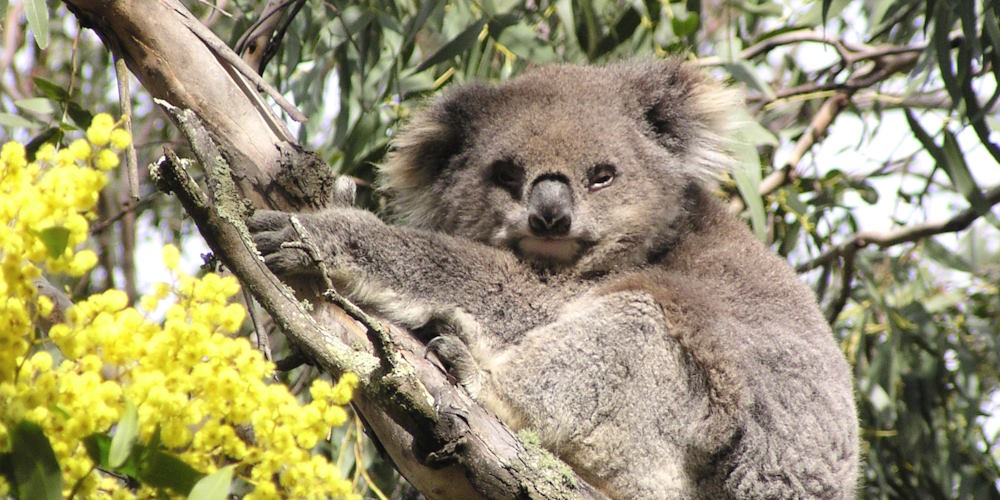
In 2006, I lost ‘my’ first koala population to a bushfire.
In 2026, I helped plant our 200,000th koala tree.
A lot can happen in twenty years.
….. 2006 …..
In January 2006 a bushfire took ‘my’ koalas, and changed my life.
I had been monitoring thirty koalas for 7 years in a small area of the Brisbane Ranges. They had names, I knew their families and their home ranges. Twenty-seven of them perished in a terrible fire, over one awful week. Their names were Blaze, Clarence, Wilma, Tess, Garry, Fran, Matilda, Poppy, Paty, Santa Barbara and others. Just three survived: Bear, Jamie and Ingrid.
I walked the bare, blackened slopes for days, filthy with ash and tears, looking for survivors. Then looking for bodies. I saw sights so horrific that they’ll stay in my mind forever.
The grief was heavy, and long-lasting – it wasn’t just losing the koalas as individuals, it was the damage to country. That black, bare landscape bore no resemblance to the place I loved.
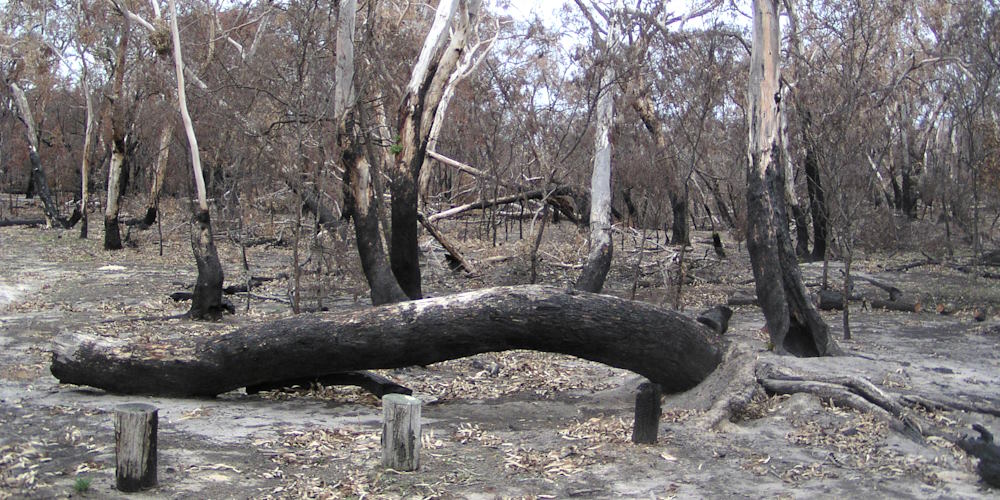
I think you can feel death at a landscape scale. When all the beating hearts and breathing lungs of a vibrant ecosystem are extinguished in one brief event, a different quality of air encircles the place. Walking through it seems harder, breathing it is more difficult. I persisted for two years, walking into that death air, looking for the last three koalas – until they left or passed away.
That 2006 fire was the worst time of my life. But it was also one of the most intense learning phases of my life.
The fire taught me: Don’t rely on hope. Hope is beautiful, but it’s not a strategy.
I had to do something.
….. 2016 …..
It took a lot of years to recover, research and work out a plan to protect koalas. But by 2015 we launched Koala Clancy Foundation, and in 2016 we planted our first koala tree.
I’ll never forget those first few planting days in Balliang and Little River. Proudly I bought a couple of hundred River Red Gum trees, and two hand-powered augers (earth drills) at my local hardware shop. We scrounged some recycled tree guards from roadsides and friend’s properties.
Anyone who knows Balliang and Little River will be giggling at this point. Hand augers! On that tough, hard, rocky soil? After battling for ten minutes to drill a single hole, they were discarded in favour of plain old spades. It took us as long to plant 100 trees as it now takes us to plant 1000!!. But we were learning, and that’s important.
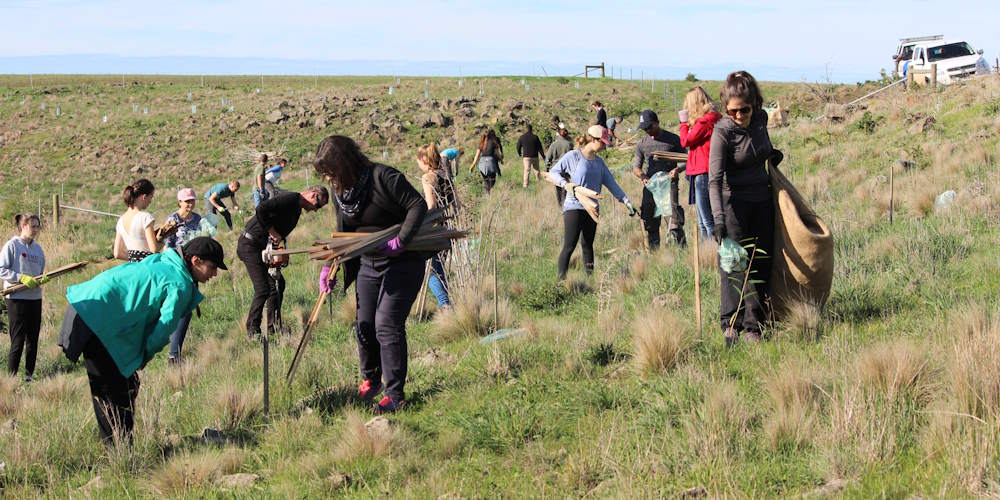
Only a couple of those first trees survived, and some are now pretty big. Many more failed. Every time we had a failure, we tweaked the system a bit. We introduced weed control before planting, hole digging with machine augers, better quality guards, and plant setout by staff before the volunteers arrived.
We started growing a few of our own trees, and my front and back yard in Port Melbourne became a nursery. We ran seed sowing days in December and January each year, with volunteers from all over Melbourne washing endless forestry tubes, filling them with potting mix, sprinkling eucalyptus seeds over the top. The deliveries of potting mix got larger, half-filling the driveway.
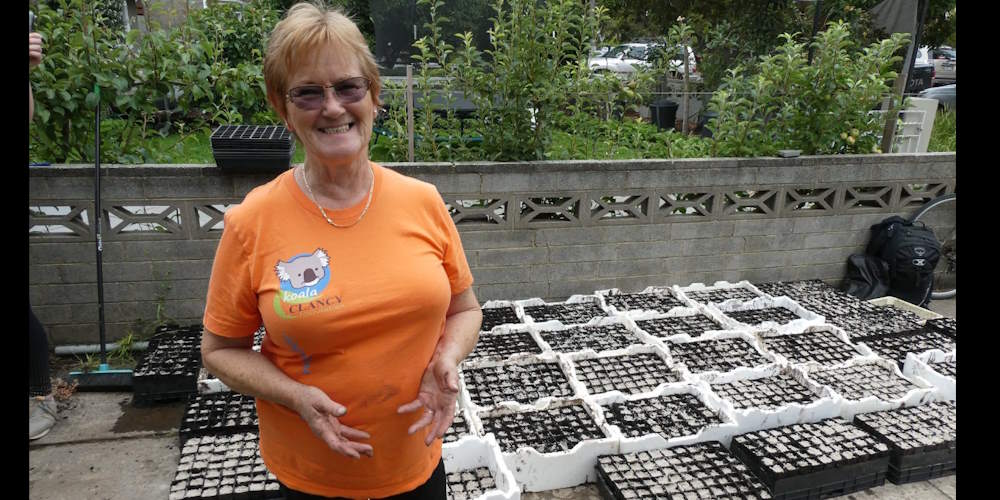
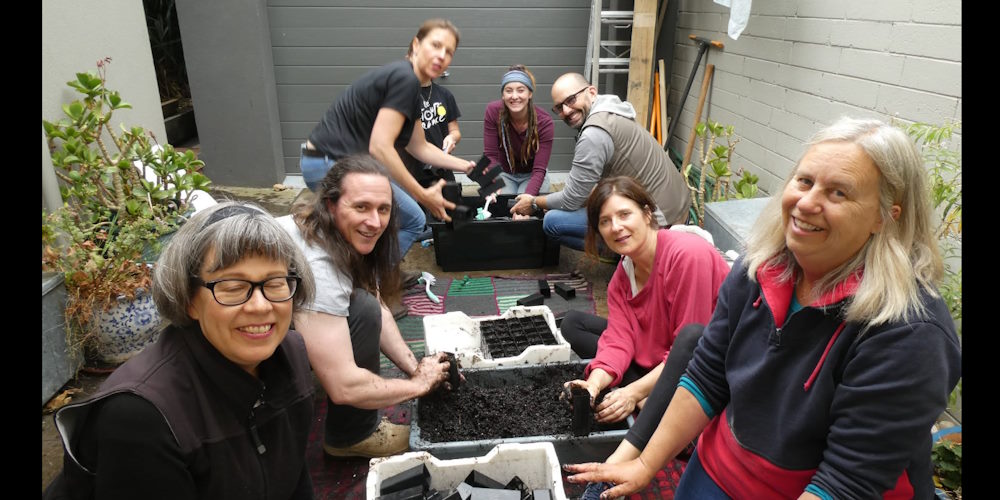
Then the Black Summer came in 2019/2020. Our regular seed sowing days – normally attended by about 25 people – became popular. We had 1500 people try to book one of the days in January 2020. Of course, it sold out in minutes, we increased the capacity to 50, and that sold out immediately.
Those days were a bit crazy. Suddenly, everyone wanted tree planting for koalas. We had more projects on the go than we were ready for. My small team worked like madwomen that year. I remember crying, and laughing, and hugging complete strangers. I couldn’t stop, I was afraid of falling apart.
We planted the whole valley of a small tributary in the Brisbane Ranges. It was so steep we couldn’t get a vehicle in, so we carried so many bundles of hardwood stakes all the way in. My arms still ache! We had a cheap trolley that we loaded up with stakes and trundled down the hill…until it developed a will of its own and took off! We watched it disappear down the track and crash into the bend, stakes flying in all directions.
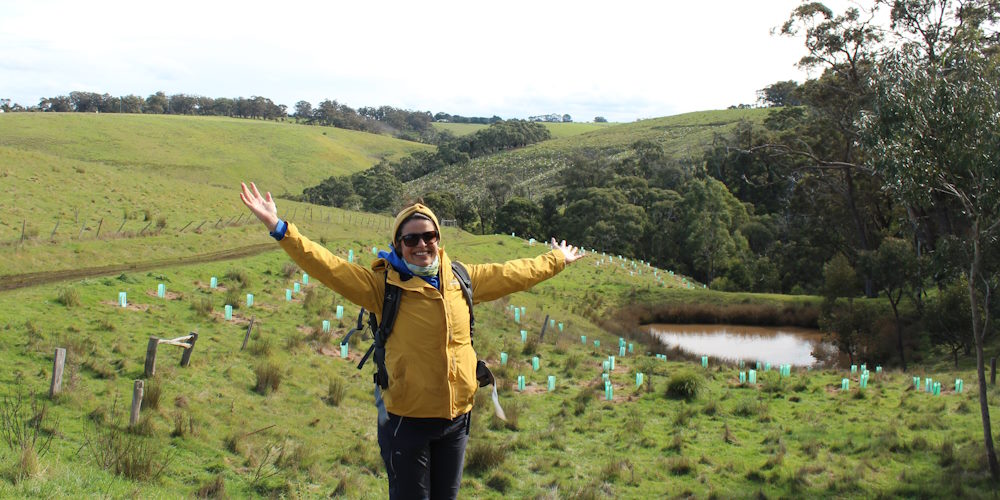
Those trees are now quite huge. At least one is 8m high. Check them out here, they call it their wilderness regeneration corridor: https://www.instagram.com/sanctuaryofsentientbeings/
Later in 2020, I did some figures and worked out how many trees we’d need to plant for just our You Yangs koalas population. The numbers were huge. So we made a pledge: To plant 300,000 koala trees & plants by 2030.
I wasn’t sure if we could do it. I decided to give up my job, and put all my time into Koala Clancy Foundation.
…. 2026 ….
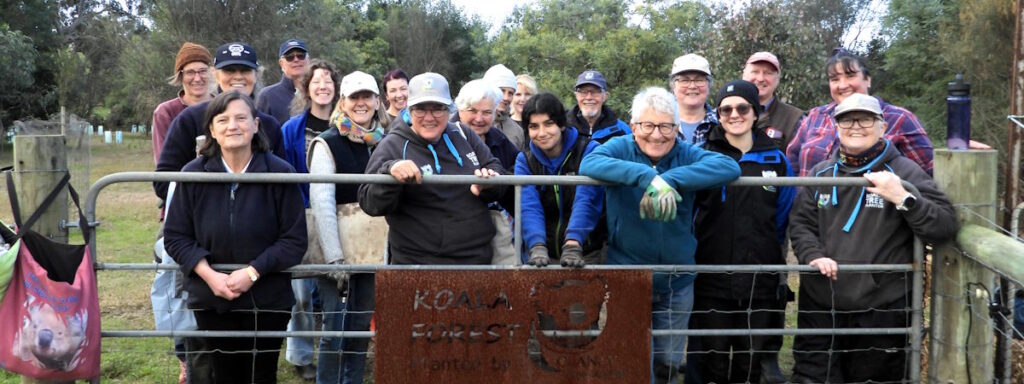
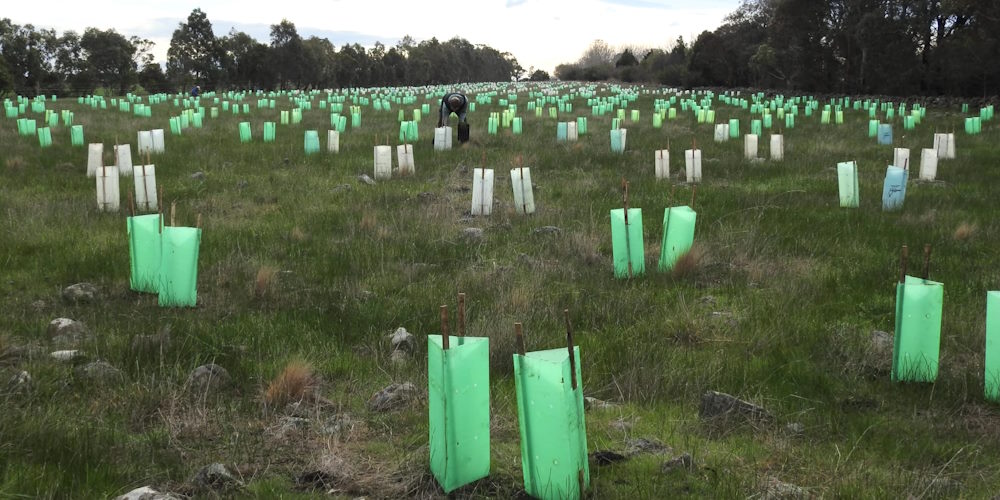
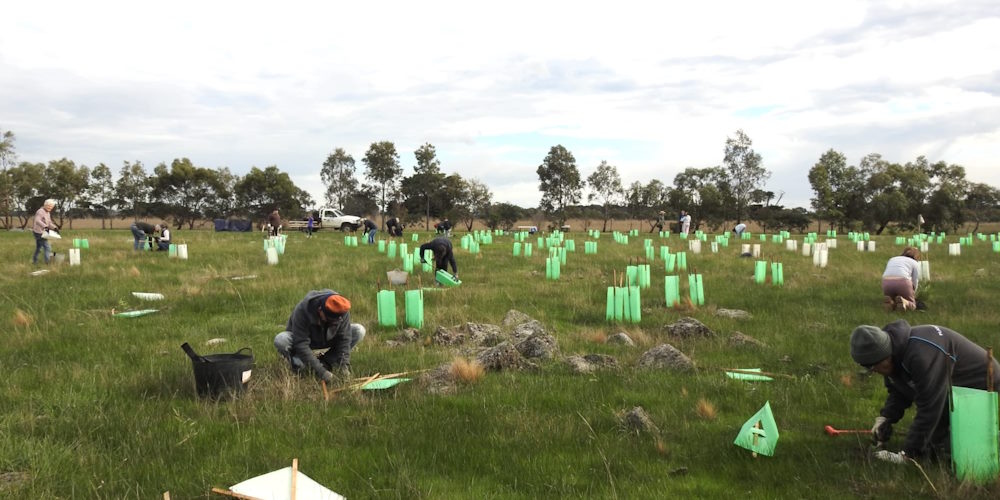
On a weekend in July, members and volunteers came together at a big paddock in Stonehaven, just west of Geelong. In 3 hours we planted 2236 trees, shrubs and wildflowers. One of those was tree #200,000.
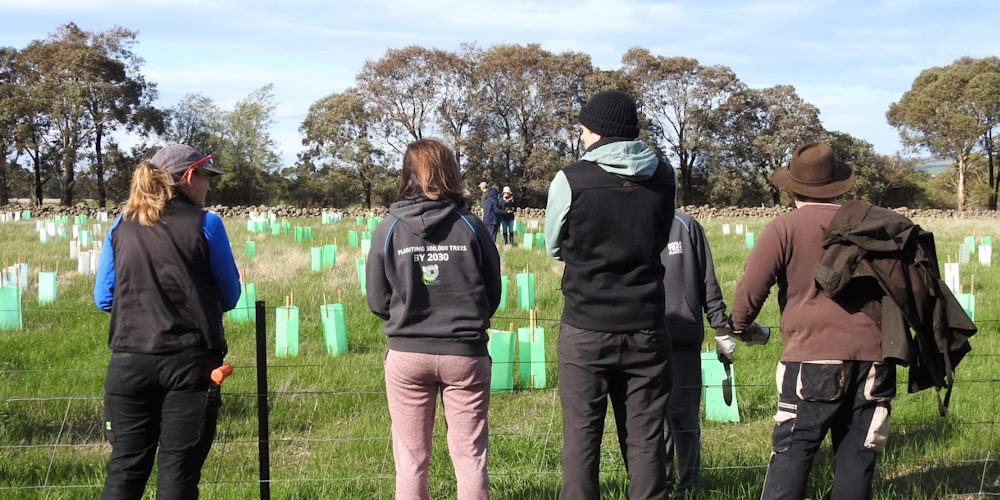
We can do it. From planting 9,000 trees in 2020, to planting 30,000+ a year now, we are on track to hit our target some time in winter 2029.
Our plantings have changed enormously. From a few species in 2016, we now plant an average of 40 species in every planting. They range from small, hardy wildflowers to draw insects, to long-lived wattles that fix nitrogen, to eucalypts of several species to feed koalas.
….. and 2036 ?….
Ten years from now, most of our plantings will be established forests. They will be homes to tens of thousands of insects, hundreds of birds and small reptiles, dozens of mammals. Some will be home to a couple of koalas. It’s happening already. https://koalaclancyfoundation.org.au/koalas-observations-triple-in-just-one-year-after-tree-planting/
Of course, the climate won’t be kind to all our plantings, and we expect them to suffer some extreme weather events.
We’re forming a plan for our next target after 2030 that will protect our plantings, and their wildlife, from fires, droughts and heatwaves. Watch this space.